

28 April 2026
Have you ever thought about what happens to oils before they reach their final form? Processes like drying, roasting, or heating are essential, but they can also leave behind something you don’t see. One example is Polycyclic Aromatic Hydrocarbons, known as PAHs.
What are PAHs?
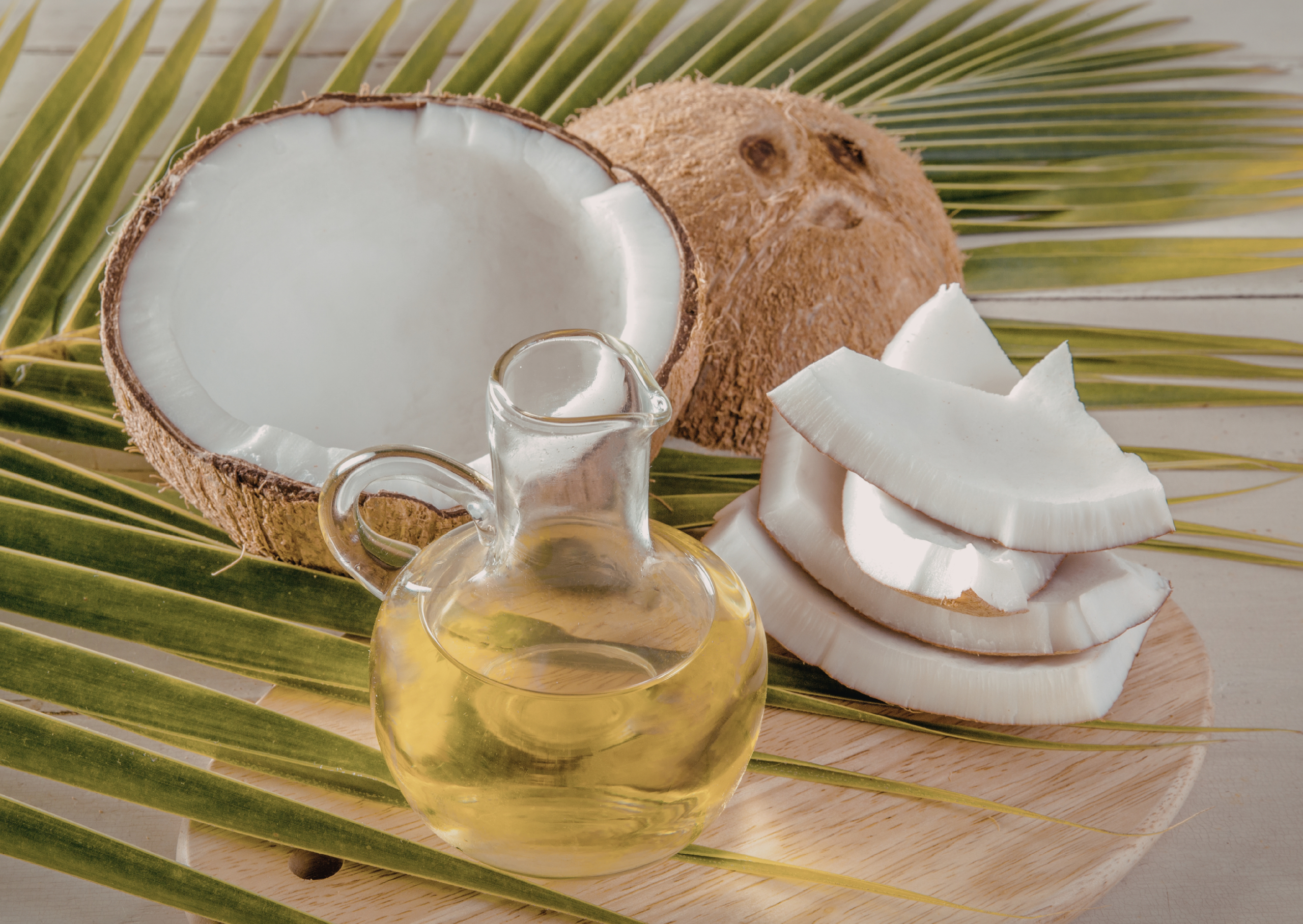
PAHs are chemical compounds that can form when organic materials are exposed to high temperatures or smoke. In the case of oils, this can happen during steps like drying coconut (copra) or roasting shea nuts. Some of these compounds are known to be carcinogenic, which is why they are closely monitored and their limits are strictly regulated.
Why do we focus on PAH4 and Benzo[a]pyrene?
Not all PAHs behave the same way. Some are more harmful than others, so food safety controls focus on a group known as PAH4: benzo[a]pyrene, benzo[a]anthracene, benzo[b]fluoranthene, and chrysene.
Within this group, benzo[a]pyrene (BaP) plays a special role. It is one of the most studied PAHs and is widely used as an indicator of contamination because of its carcinogenic properties.
At the same time, looking at BaP alone is not enough. That is why the sum of PAH4 is also monitored, giving a broader view of the contamination level.
In the European Union, both benzo[a]pyrene and PAH4 are regulated under Regulation (EU) 2023/915 for oils and fats. This approach allows authorities to keep an eye on both the most critical individual compound and the overall presence of key PAHs.
How do PAHs form in oils?
PAHs are not naturally present in crude oils. They develop during processing, particularly when:
- Oils are exposed to high temperatures
- Smoke or combustion gases are involved in drying or roasting
- Certain precursors react under heat
The level of risk depends on the type of oil and how it is processed. For example, palm oil is often more sensitive due to its composition and processing conditions. At the same time, oils such as coconut, shea, sunflower, or rapeseed can also develop PAHs if the process is not carefully managed.
The way raw materials are handled, for example how coconuts are dried or how shea nuts are roasted, can make a significant difference in final PAH levels.
Better control of heat and smoke doesn’t just improve food safety, but it often reflects more sustainable, modern and responsible processing practices.
Some interesting facts
Although PAHs are mainly linked to processing, testing raw materials can still reveal useful information. Unexpected results may point to smoke exposure during drying or differences in how suppliers handle their processes. It is one of the ways to better understand what happens earlier in the chain.
PAHs are not unique to oils. They can also be found in grilled meat, smoked fish, and even roasted coffee, which makes them a broader food safety topic.
Once formed, PAHs are chemically stable, which means they can remain present even after further processing steps.
How do we approach PAH risk at Premium OIls?
At Premium Oils, we look at every oil individually. The origin, processing method, and intended use all play a role in how we assess risk.
A big part of this work starts with supplier selection. We do not rely on documents alone. We visit production sites, observe processes, and carry out audits on location. This gives us a clear understanding of how oils like coconut and shea are handled and where potential risks may arise.
We also stay in close contact with our co-producers and discuss practical improvements, we perform routinary testing and define clear expectations in our specifications.
In summary, PAHs don’t change how an oil looks, smells, or tastes. That’s what makes them tricky. An oil can appear perfectly clean and still carry traces if the process behind it wasn’t handled carefully. This is why we look at each oil individually, work with suppliers we know and trust, and spend time understanding how things are actually done on site.
We don’t just source oils, we build relationships and stay involved across the supply chain.
Take our coconut oil as an example. By working with carefully selected and audited partners and by truly understanding how the product is made, we can confidently stand behind its quality and call it what it is: a premium oil.
Understanding where a risk comes from is the first step to managing it effectively.
The best way to manage risk is to know it, name it, and act on it.